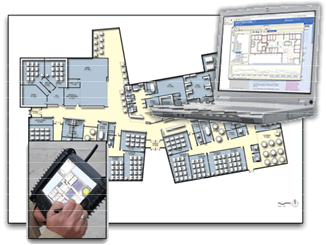

The Dallas Zoo has received praise from zoo keepers around the world for their award-winning Giants of the Savanna exhibit. This unique habitat allows elephants, giraffes, and other species to roam together freely. What’s also unique about the exhibit is the fact that the zoo is using RFID technology to track the movement of the elephants. This is the inaugural installation of Animal Performance Systems ("APS") TangaTracker system. The solution uses the CSL RTLS (real-time-location-system) that our team reviewed ( How to Install a Real Time Location System, or RTLS ). Although RFID technology is used for tracking farm animals like cattle, elephant tracking is, well, a much bigger challenge. The zoo wants to track the exact location of the elephants all the time and the terrain has a number of obstacles including a large watering hole and varying elevations.


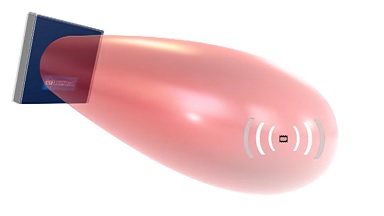
Traditional Passive RFID Tags rely on gathering energy from the RFID Reader's signal to wake up the integrated circuit (IC) and provide the backscatter required for identification. BAP RFID tags contain their own integrated power source, which is most commonly a battery. It’s very important not to confuse BAP tags with Active RFID Tags. Active tags transmit a beacon at a defined interval. BAP tags do not transmit. The range is improved because no energy needs to be harvested from the reader to power the chip and all of the captured energy can be used for backscatter.